Introduction
In today’s fast-evolving enterprise landscapes, the push toward automation has produced countless tools—from simple chatbots to advanced AI systems. However, not all AI is created equal. While chatbots and generative AI have gained traction for their text-based functionalities, a new player is emerging that fundamentally transforms operations: Agentic AI. By facilitating fully autonomous workflows, agentic AI is no longer about conversations or reactive assistance—it is about orchestrating actionable outcomes.
What is Agentic AI?
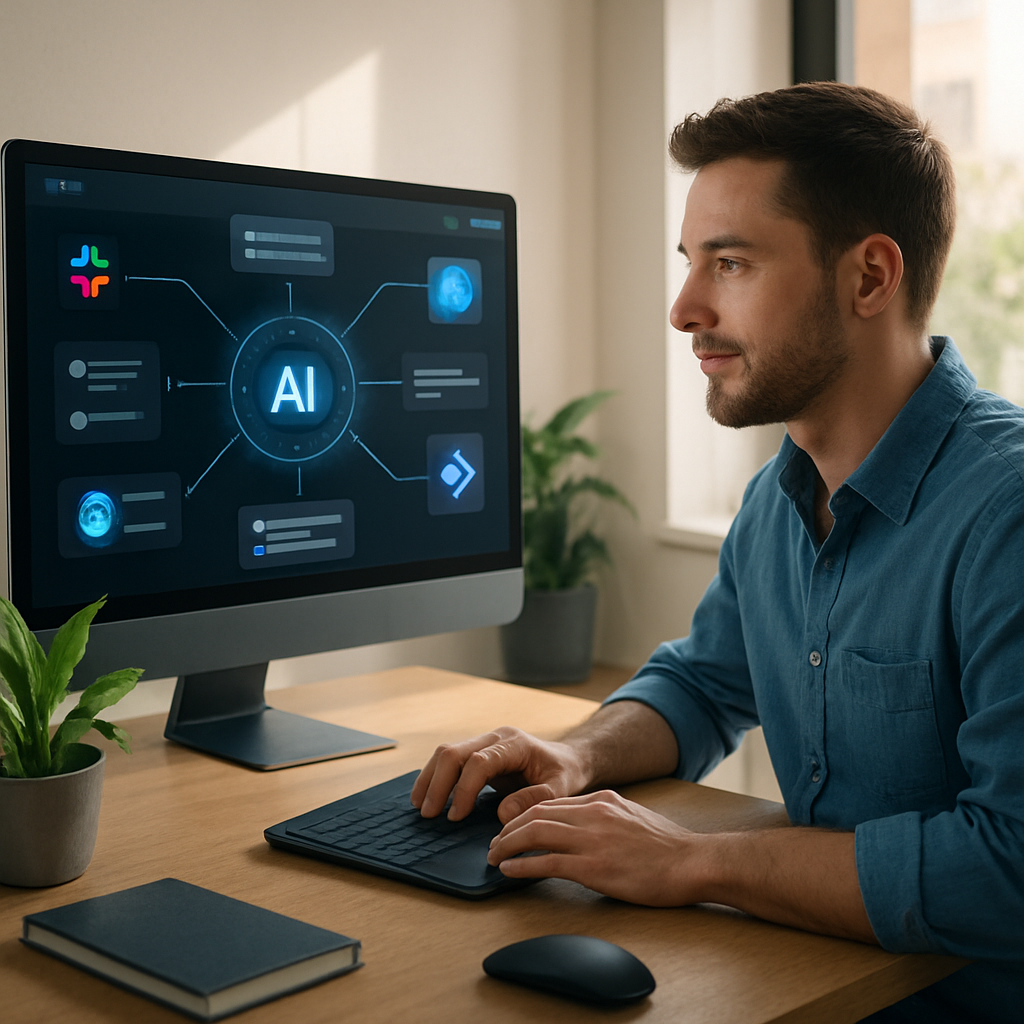
Unlike traditional AI models that rely on user prompts or static decision tree frameworks, agentic AI performs tasks autonomously by actively integrating multiple systems and workflows. It doesn’t stop at suggesting solutions; it executes them. Defined by its ability to connect systems such as Slack, Jira, Salesforce, and more, agentic AI frees teams from burdensome manual processes.
Think of it this way: where chatbots deliver information, agentic AI delivers results.
Key Differences: Chatbots, Generative AI, and Agentic AI
To fully understand the uniqueness of agentic AI, let’s compare it with its predecessors:
- Chatbots: Primarily focus on conversational interactions to retrieve or provide information. Limited in scope, they require constant supervision to be effective.
- Generative AI: Revolutionized content creation through predictive algorithms—crafting emails, generating images, or producing reports. However, execution still relies on human operators.
- Agentic AI: Acts autonomously within pre-defined parameters to perform actionable tasks across different platforms—logging information, triggering workflows, and ensuring governed action without human intervention.
This evolution from static tools to dynamic orchestration hubs marks a paradigm shift in operational capabilities.
How Agentic AI Drives Operational Excellence
By creating an orchestration hub for enterprise tools, agentic AI enables transformative improvements in three key areas:
- Reduced Toggle Tax: The pervasive issue of switching between fragmented tools costs businesses efficiency. Agentic AI streamlines operations by connecting systems into a single, action-oriented interface.
- Governed Autonomy: Ensures that every decision adheres to compliance rules and best practices, reducing errors while maintaining transparency.
- Elimination of Human Middleware: With agentic orchestration automating task handoffs, teams are no longer stuck in the role of administrative intermediaries. This creates room for higher-value strategizing and innovation.
Practical Example: Sales Process Automation
For instance, consider Salesforce. A chatbot might answer basic sales queries, and generative AI could craft persuasive email templates. But agentic AI takes this further by automatically updating Salesforce records post-interactions, syncing data across platforms, and triggering follow-up workflows without human mediation. The end result? Faster sales cycles and more empowered teams.
Conclusion
The journey from chatbots to agentic AI underscores one obvious fact: innovation is moving from conversation to orchestration. For CIOs and operational leaders, the takeaway is clear. Deploying agentic AI is not just about adopting new technology—it is about transforming how work gets done. With Moodbit’s agentic orchestration hub, you’re not just managing operations—you’re revolutionizing efficiency.
Learn More
Ready to explore the full potential of agentic AI? Discover how Moodbit can act as your unified orchestration hub, unlocking new operational efficiencies today.
Leave a Reply