Introduction
For years, automation has been the gold standard for improving efficiency in businesses. However, as Artificial Intelligence (AI) continues to evolve, the enterprise landscape is shifting toward augmentation rather than outright automation. AI augmentation goes beyond automating repetitive tasks—it amplifies human capabilities, delivering productivity gains that are both significant and sustainable. But what exactly is AI augmentation, and how is it reshaping productivity across industries?
Understanding AI Augmentation
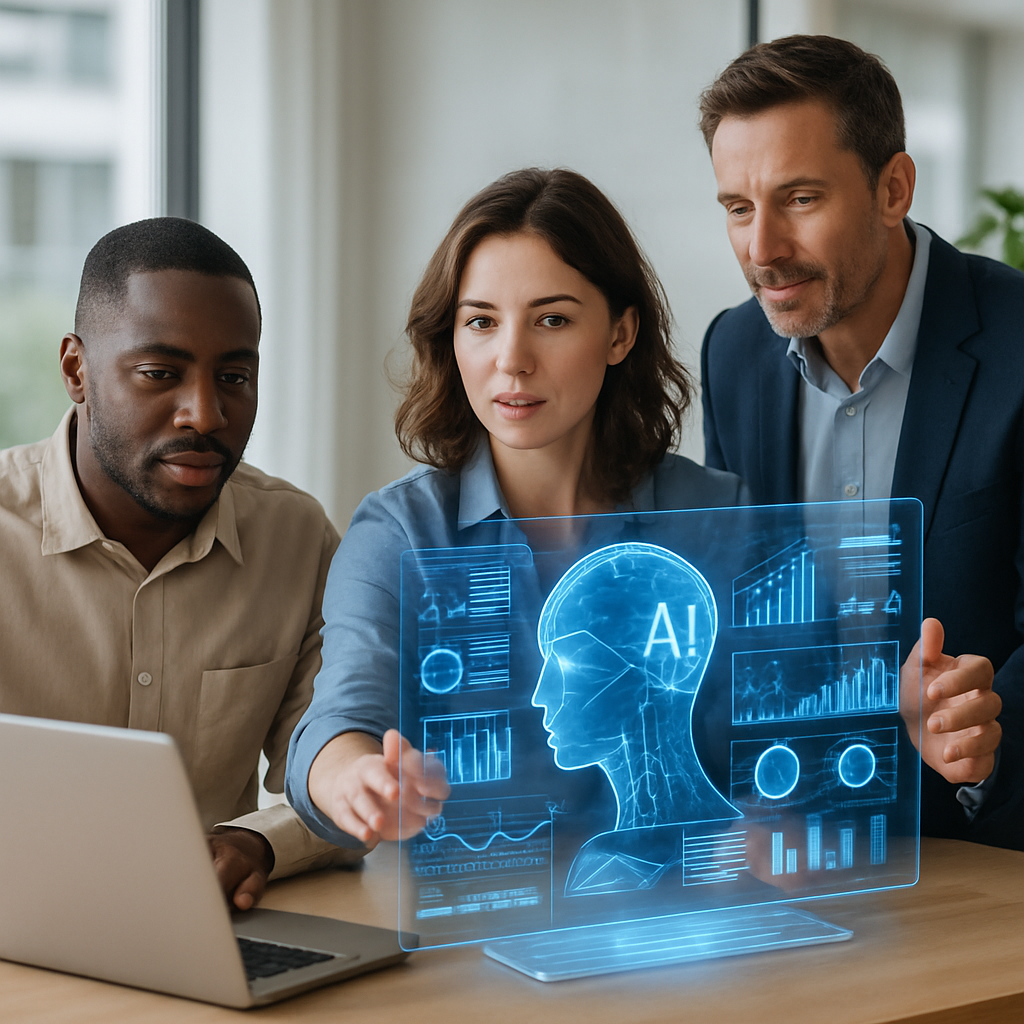
AI augmentation refers to the integration of AI tools with human expertise to create symbiotic working relationships. Unlike automation, which replaces human roles, augmentation elevates them by equipping employees with intelligent insights and capabilities. Leading tech firms have introduced platforms that enable humans to collaborate closely with AI systems to interpret data, streamline operations, and tackle complex problems.
How AI Augmentation Impacts Workflow
Enterprises leveraging AI augmentation tools are experiencing transformative workflow shifts. Here are several key impacts:
- Enhanced Decision-Making: AI tools provide real-time insights and predictive analysis, enabling faster and more accurate decisions.
- Improved Collaboration: Platforms powered by augmented AI promote better teamwork by automating mundane tasks and allowing employees to focus on creative, strategic activities.
- Increased Scalability: Augmentation provides businesses the ability to scale operations seamlessly without needing substantial manpower increases.
Practical Examples of AI Augmentation
Here are some real-world examples of AI augmentation in action:
- Project Management Tools: Intelligent software like Asana augmented with AI enables teams to track progress and foresee potential challenges, eliminating bottlenecks.
- Financial Analysis: AI-augmented systems in finance use predictive algorithms to track market trends and enable dynamic portfolio adjustments.
- Customer Service Strategy: Chatbot platforms enhanced by natural language processing allow customer service teams to deliver tailored, efficient responses to complex queries.
Challenges and Limitations
No transformation is without hurdles. Key challenges for AI augmentation include:
- Adoption Resistance: Employees may hesitate to embrace AI tools due to fear of job replacement or lack of familiarity.
- Training Needs: Proper training is vital to ensure employees can utilize augmented systems effectively.
- Ethical Concerns: Transparency and fairness must be addressed to prevent biased or unethical AI behavior.
Conclusion
AI augmentation represents the future of enterprise productivity. It amplifies human intelligence instead of replacing it, paving the way for innovation and improved efficiency. By addressing barriers to adoption and building robust frameworks for implementation, businesses can unlock unprecedented value. The next generation of enterprises will not be those that merely use AI, but those that augment their human potential through it.
Leave a Reply